
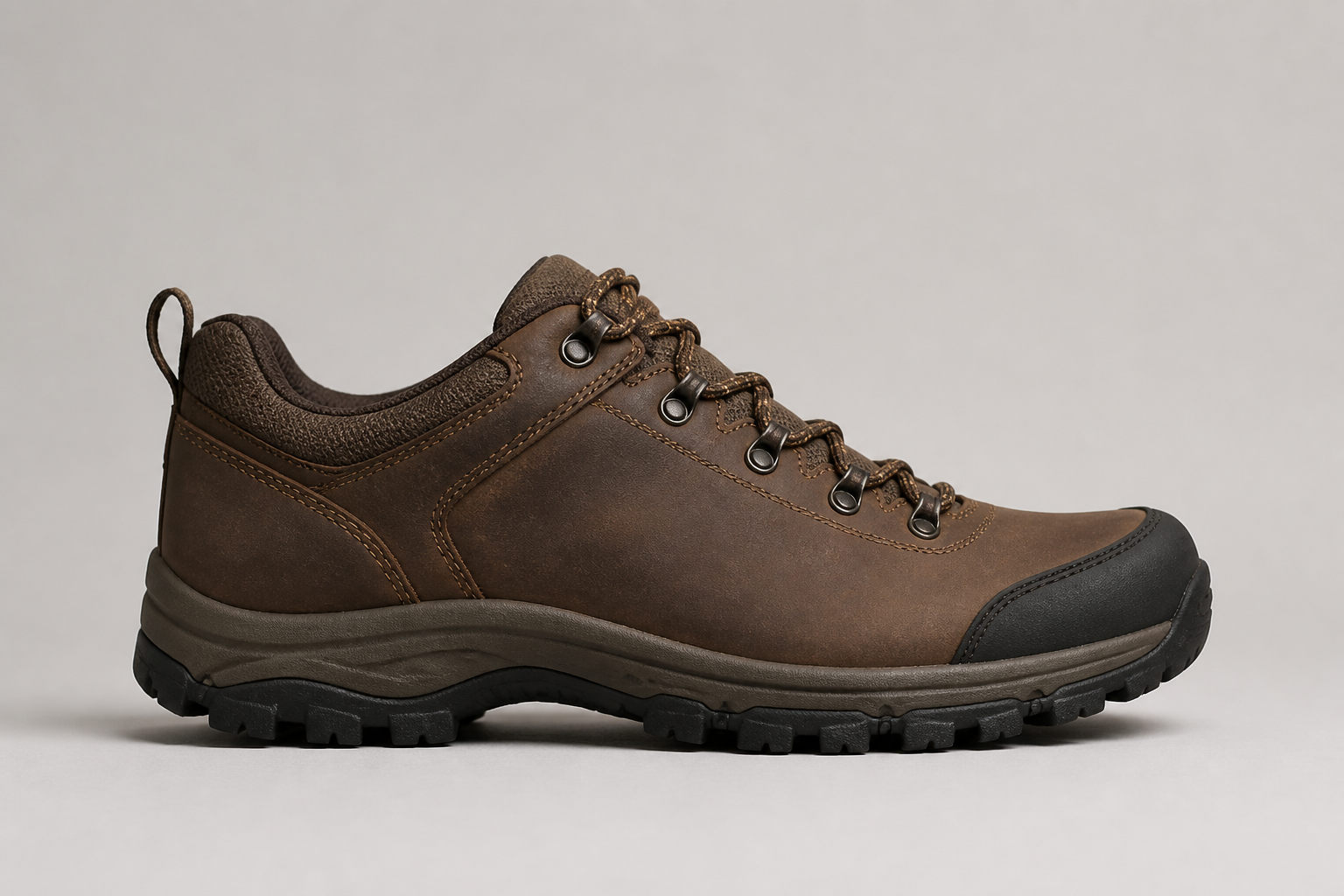
Mountain Gear hiking boots target day hikers and weekend backpackers who need reliable traction without investing in rigid mountaineering platforms. The line sits squarely in the light-hiking category where comfort and value matter more than crampon compatibility or expedition-grade stiffness.
Ascent Waterproof
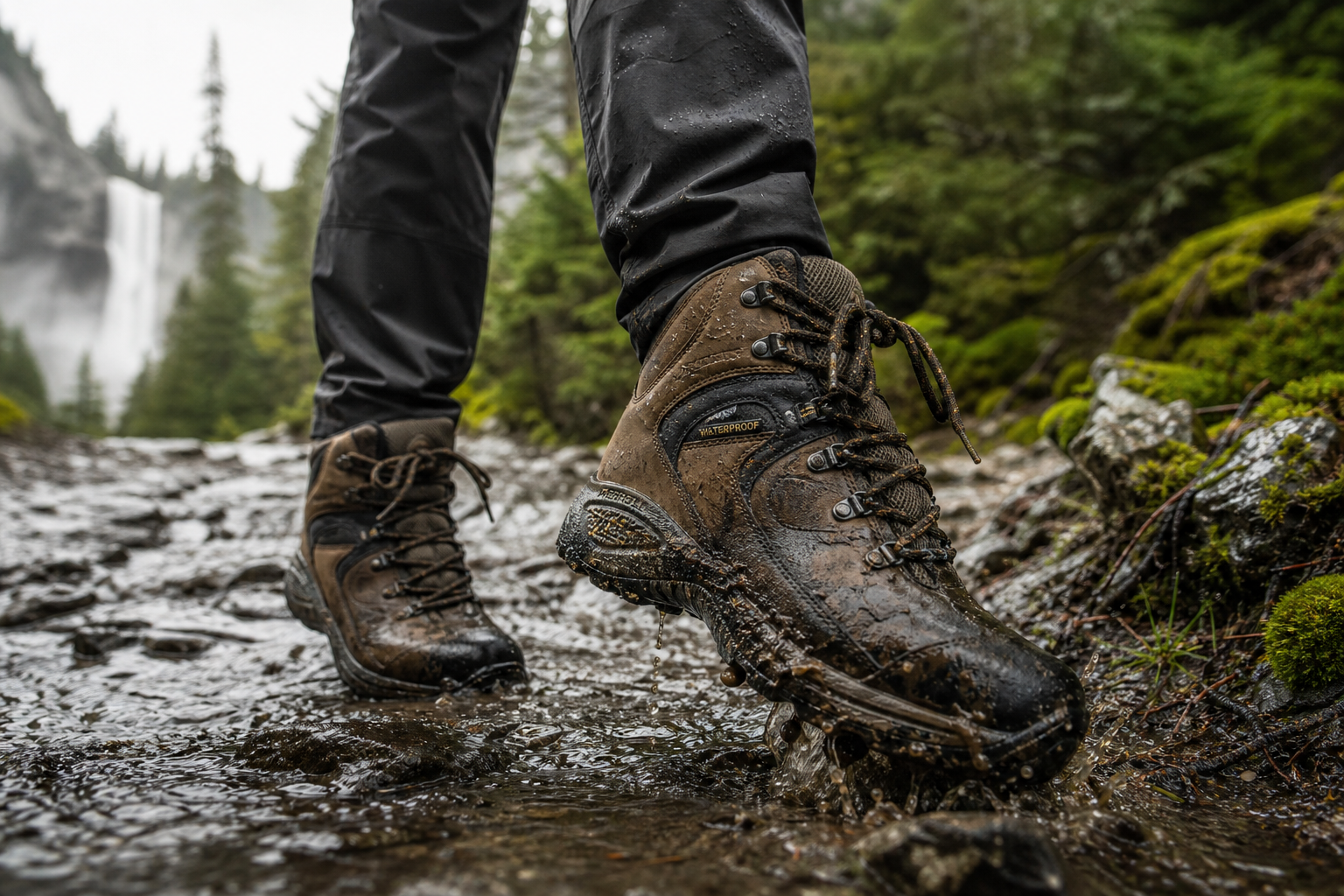
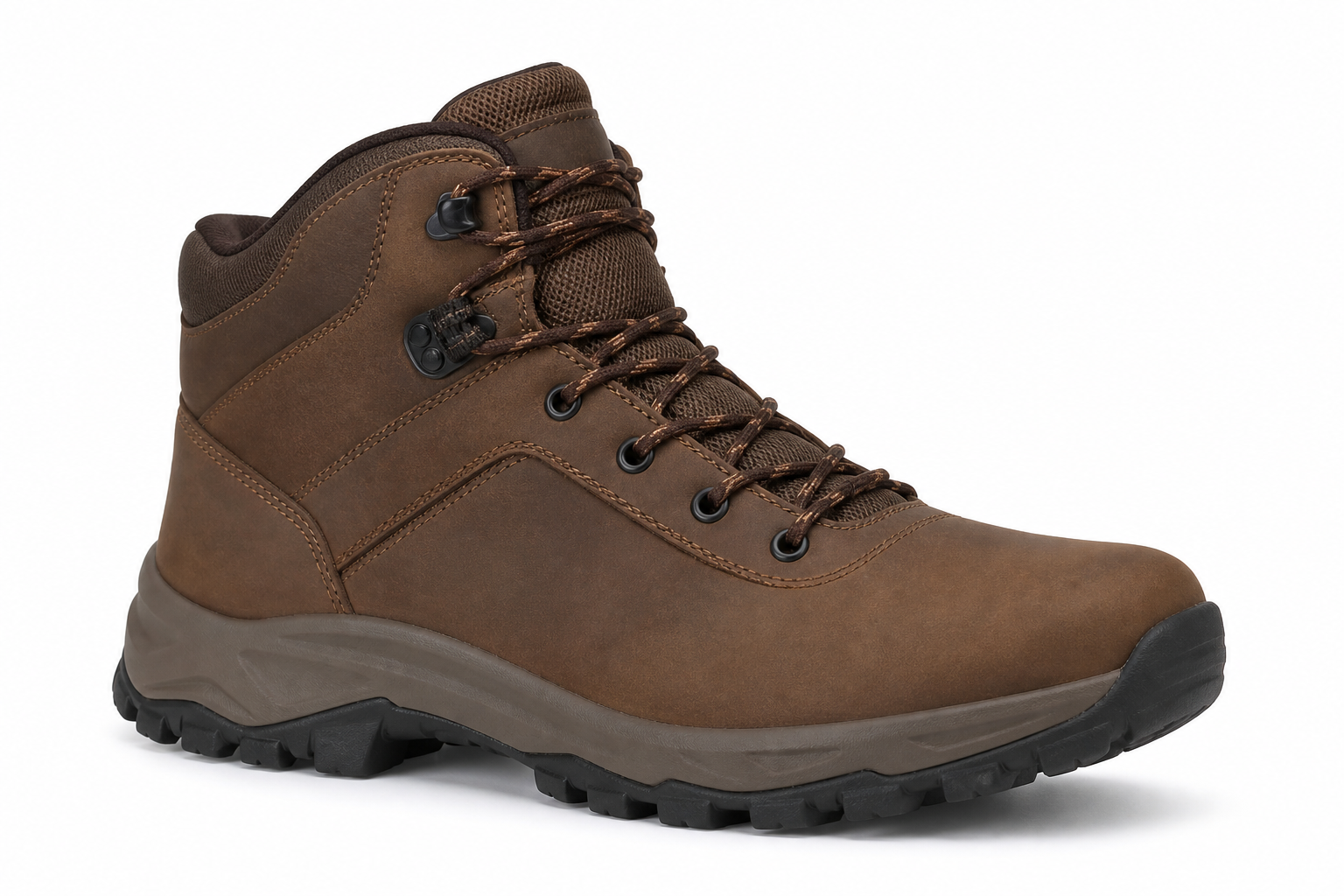
The flagship Ascent Waterproof Hiking Boot retails around $129.99. It combines a waterproof membrane, sturdy lace hardware, and multi-directional lugs for mud and wet rock. Mid-cut height supports ankles on uneven root trails without the calf restriction some mountaineering boots impose.
Owners report dry feet through hour-long rain exposure when gaiters are not worn. For stream crossings above the ankle collar, accept that water enters from the top — gaiters and quick-drying socks remain essential in deep snow melt seasons.
The Ascent upper blends leather overlays with synthetic panels so the boot flexes at the forefoot on uphill grades. That flex feels natural on maintained switchbacks common in state parks across the Appalachians and Cascades.
Ridge mid and low
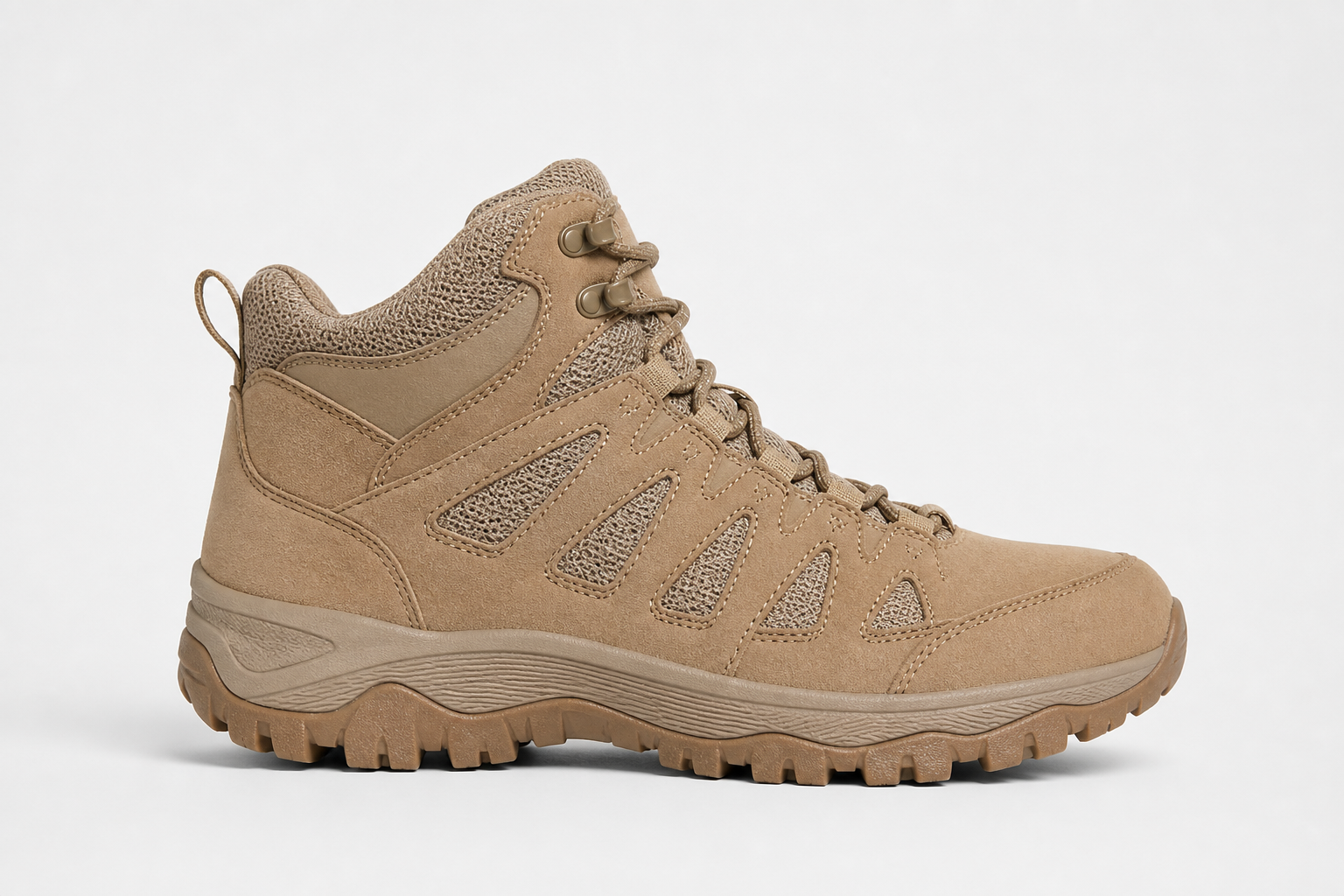
Ridge Mid and Low Cut models ($109.99–$119.99) prioritize breathability over membrane protection. Choose Mid for loose scree and ankle coverage on rocky descents. Low works for maintained nature paths, rail-trail conversions, and urban hill climbs where weight savings add up over ten-mile days.
Mesh panels on Ridge variants vent heat during summer hikes above eighty degrees. Tradeoff: you will feel morning dew sooner than in Ascent. Many owners keep both — Ascent for shoulder seasons, Ridge for July and August.
Load carrying limits
These boots suit day packs under 25 pounds. Multi-night trips with 40-pound loads deserve stiffer backpacking boots from specialty brands with shanks rated for multi-day compression. Know your trip profile before buying; overstressed midsoles flatten faster and reduce edge stability on cambered trails.
If you occasionally carry a child carrier or photography tripod, stay within the daypack guideline and tighten laces through the instep to reduce forward slide on downhills.
Sock systems
Merino wool liner plus light hiking sock reduces blister shear better than any single thick sock. Avoid cotton — it holds moisture and accelerates hot spots on long descents. Change socks at the trailhead after rainy hikes before driving home; dry feet preserve leather linings inside the boot.
Waterproof maintenance
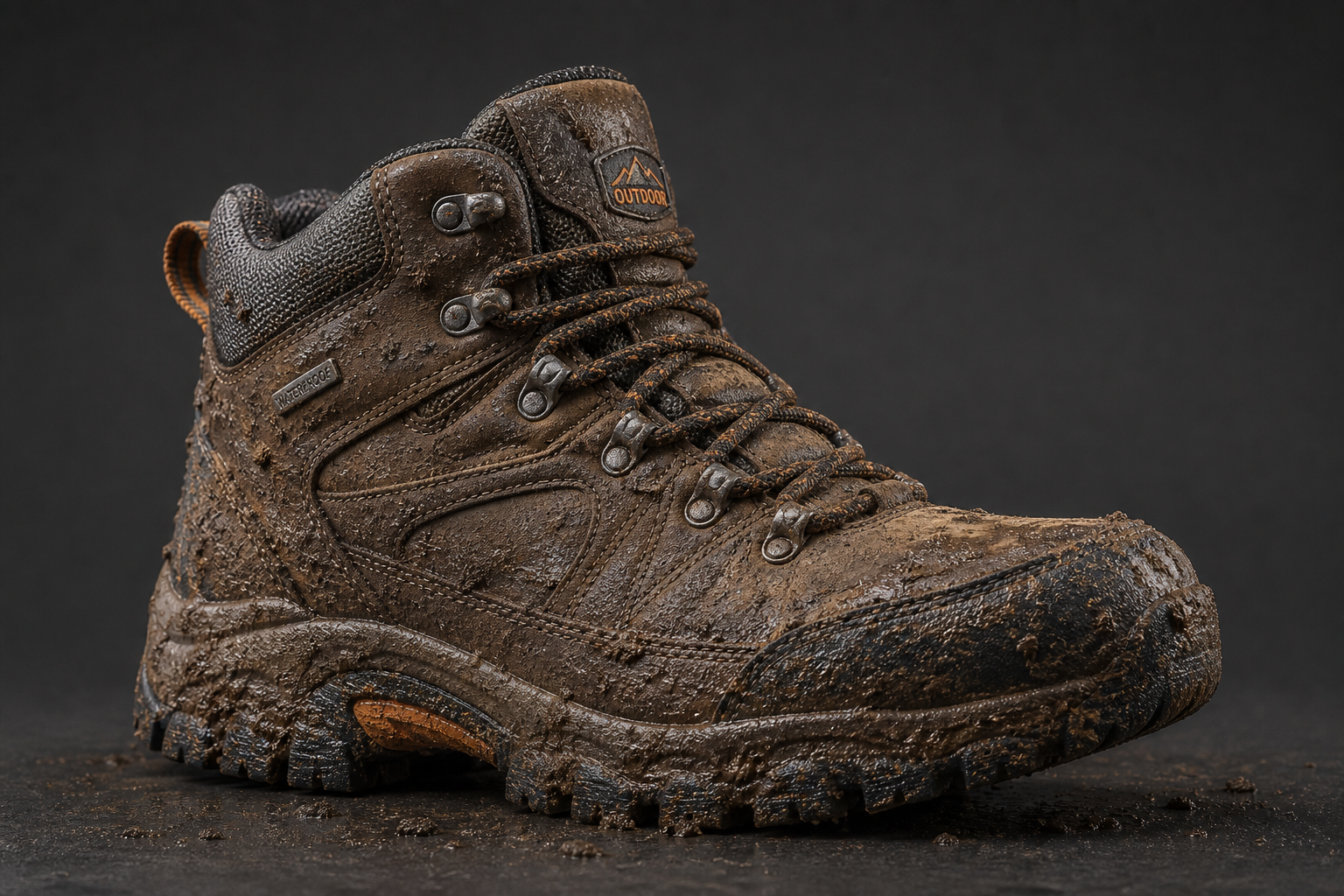
Membranes fail when dirt clogs pores and when heat dries leather too aggressively. Rinse mud after hikes with lukewarm water and a soft brush. Reapply DWR spray on the upper exterior every few months if water no longer beads. Dry slowly away from heaters and direct sun on dashboards.
Traction testing
Wet sandstone and algae-covered bridges expose lug limits on any hiking boot near this price point. Test on local trails before committing to exposed ridge walks with thousand-foot exposure. Replace boots when heel lugs round smooth — usually after four hundred to six hundred trail miles depending on gait and rockiness.
Fit across terrain
Downhill toe bump is the most common fit complaint. Leave thumb-width space at the toe when standing on a slight decline. Lock ankle eyelets snug but not crushing — circulation loss feels like cold toes even in waterproof boots.
Compare other lines
Need steel protection for trail crew work? See steel toe boots. Want retro styling for town after the hike? Browse 90s style models. Gender-specific fit notes live on men's and women's pages.
Bottom line
Mountain Gear hiking boots excel at accessible trail miles in American state and national forests. Pair Ascent for wet regions, Ridge for dry and hot climates, and rotate pairs to extend midsole life across seasons.
Sizing at home
Measure feet standing on paper after a walk when they are slightly swollen. Match centimeter length to brand charts rather than guessing from sneaker sizes. Width matters as much as length — pinching at the fifth toe means try wide versions if offered.
Try boots with the socks you actually hike in. Thin dress socks lie about fit and cause returns that waste shipping emissions and your weekend plans.
Warranty habits
Keep receipts and photos of defects within the first thirty days. Outsole delamination and eyelets pulling free are manufacturing issues; scuffs from normal trail abrasion are not. Document problems early with dated photos sent to customer service.
Seasonal rotation
Owning both waterproof and breathable Mountain Gear hikers covers most US climate zones. Store boots unlaced with trees in the off-season so collars do not crease and crack at flex points.