
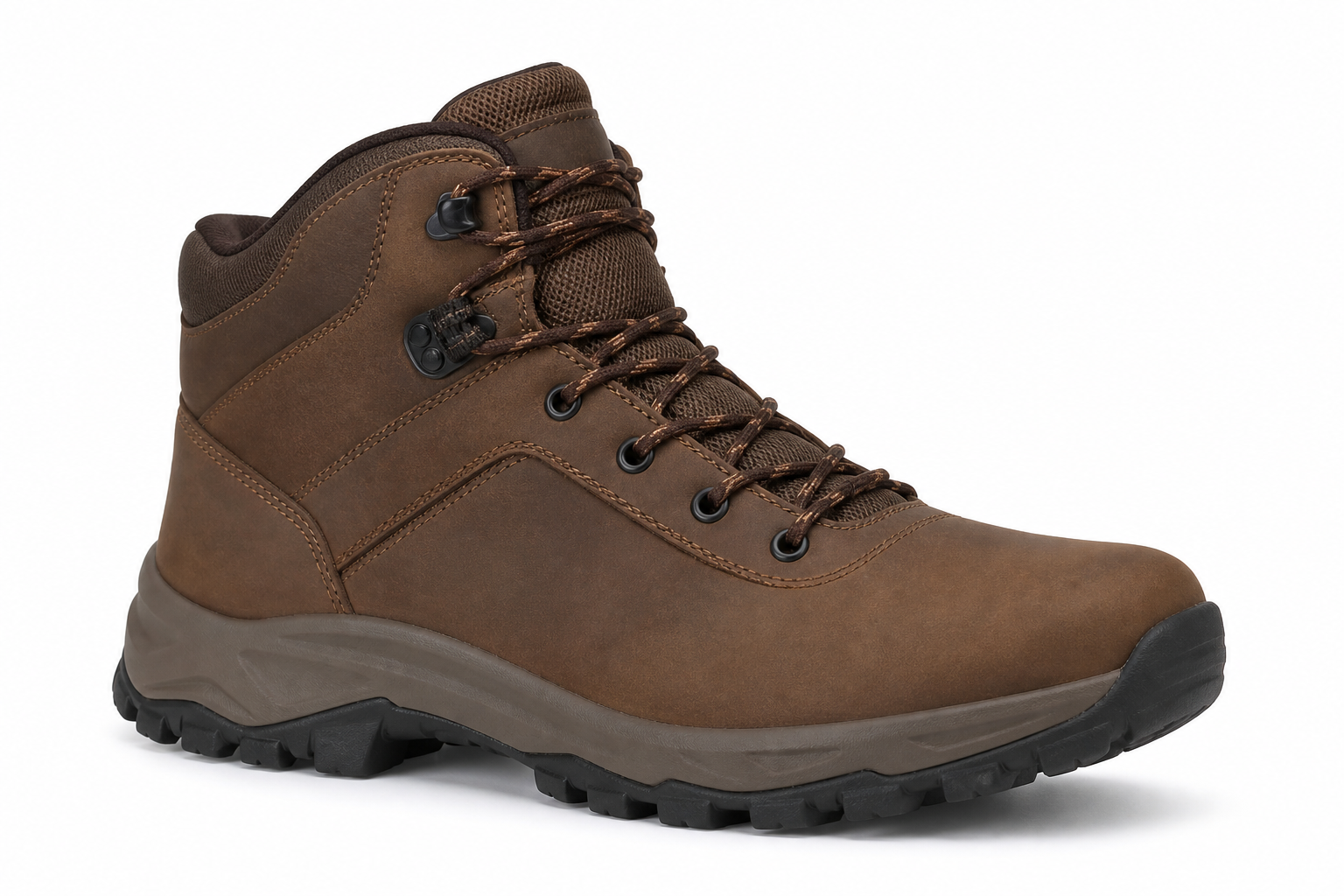
Ascent Waterproof
Waterproof mid-cut with sturdy laces and all-terrain grip. Around $129.99 at retail.
View DetailsBudget-friendly outdoor footwear for light hiking, casual trail walking, and daily wear — without the premium price of heavy mountaineering boots.
Whether you are logging casual trail miles, walking the dog on gravel paths, or need a dependable pair for warehouse weekends, Mountain Gear fills the gap between disposable fashion boots and expensive mountaineering shells. This guide walks through model families, fit expectations, and care habits so you buy once and wear often.
The Ascent Waterproof Hiking Boot remains the headline SKU near $129.99 — a rugged mid-cut with membrane protection and deep lugs. Ridge Mid and Low Cut options land between $109.99 and $119.99 for buyers who prioritize breathability over full waterproofing. Crosbey and Colt Mid hybrids layer genuine leather with mesh and air-cushioned midsoles for commuters who still want outdoor credibility on weekends.
We organize this site by collection and boot type so you can jump straight to 90s heritage looks, gender-specific fit notes, or safety categories like steel toe and camo field patterns. Every page lists real model names you will see on retail shelves, with honest limits on load carrying, waterproofing, and break-in time.
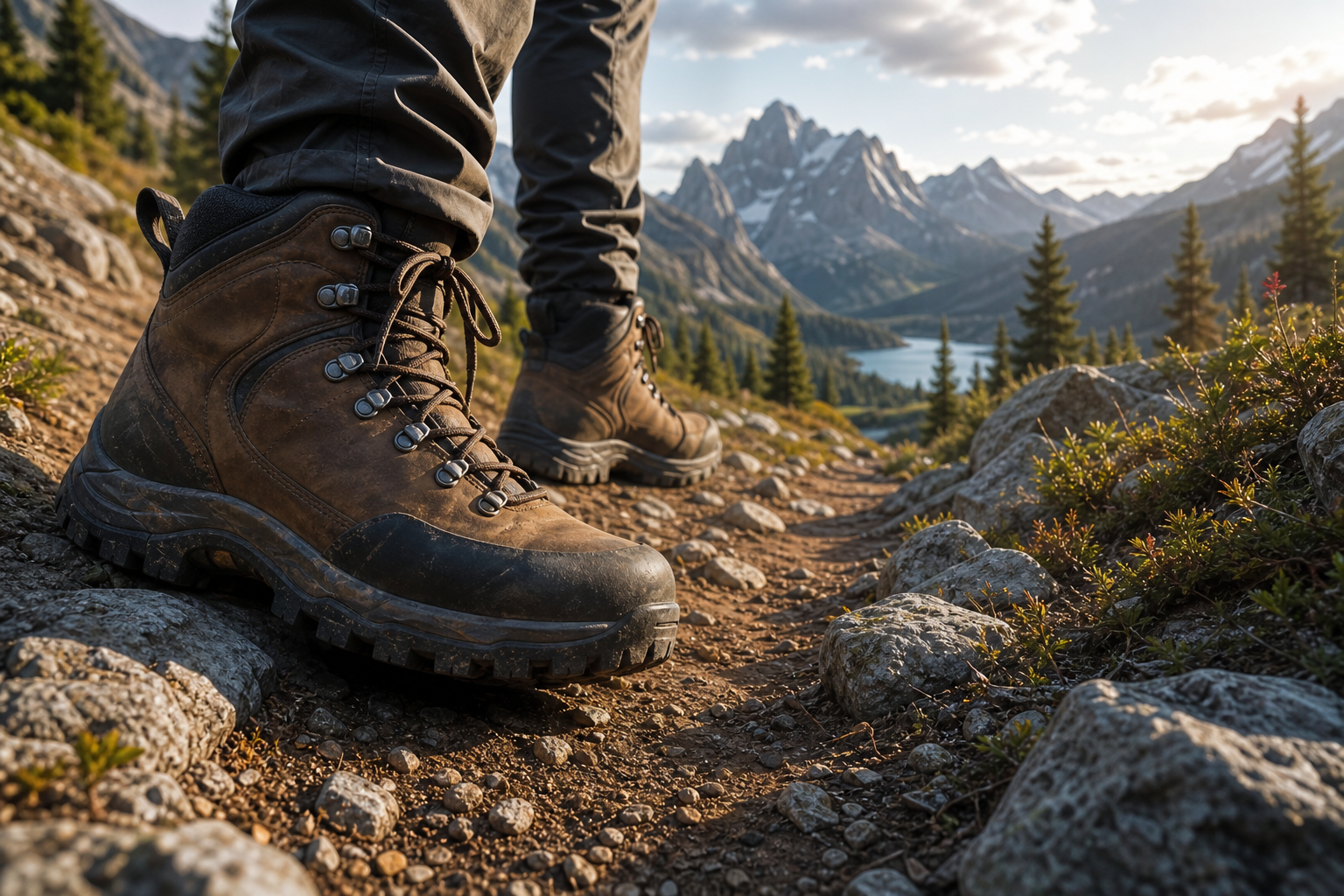
Ascent line
Waterproof mid-cut grip
Categories
Browse by collection or safety needs — each category links to model details and fit notes.
Chunky soles and heritage panels.
See models →Hybrid mids for daily miles.
See models →Breathable cuts for her.
See models →Wet trail grip and membrane.
See models →Reinforced for tough shifts.
See models →Service silhouette, modern sole.
See models →Field weekends and hunts.
See models →Safety toe for work sites.
See models →Bestsellers
These four SKUs appear most often on retail shelves. Ascent leads for wet trails, Ridge for breathable miles, Crosbey and Colt for leather-mesh hybrids that cross over to city streets.
Waterproof mid-cut with sturdy laces and all-terrain grip. Around $129.99 at retail.
View Details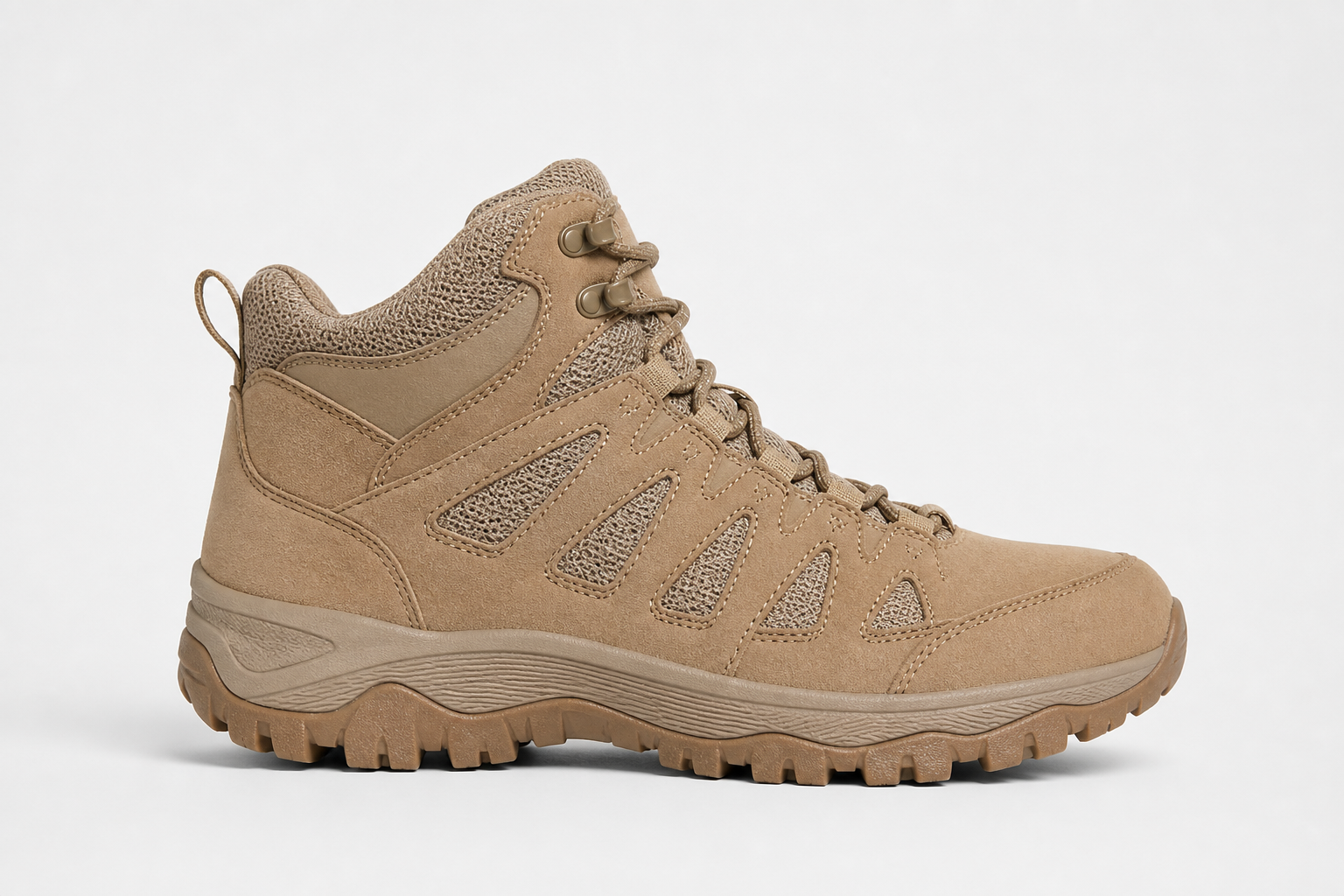
Lightweight breathable mid-cut ideal for casual hikes. $109.99–$119.99 range.
View Details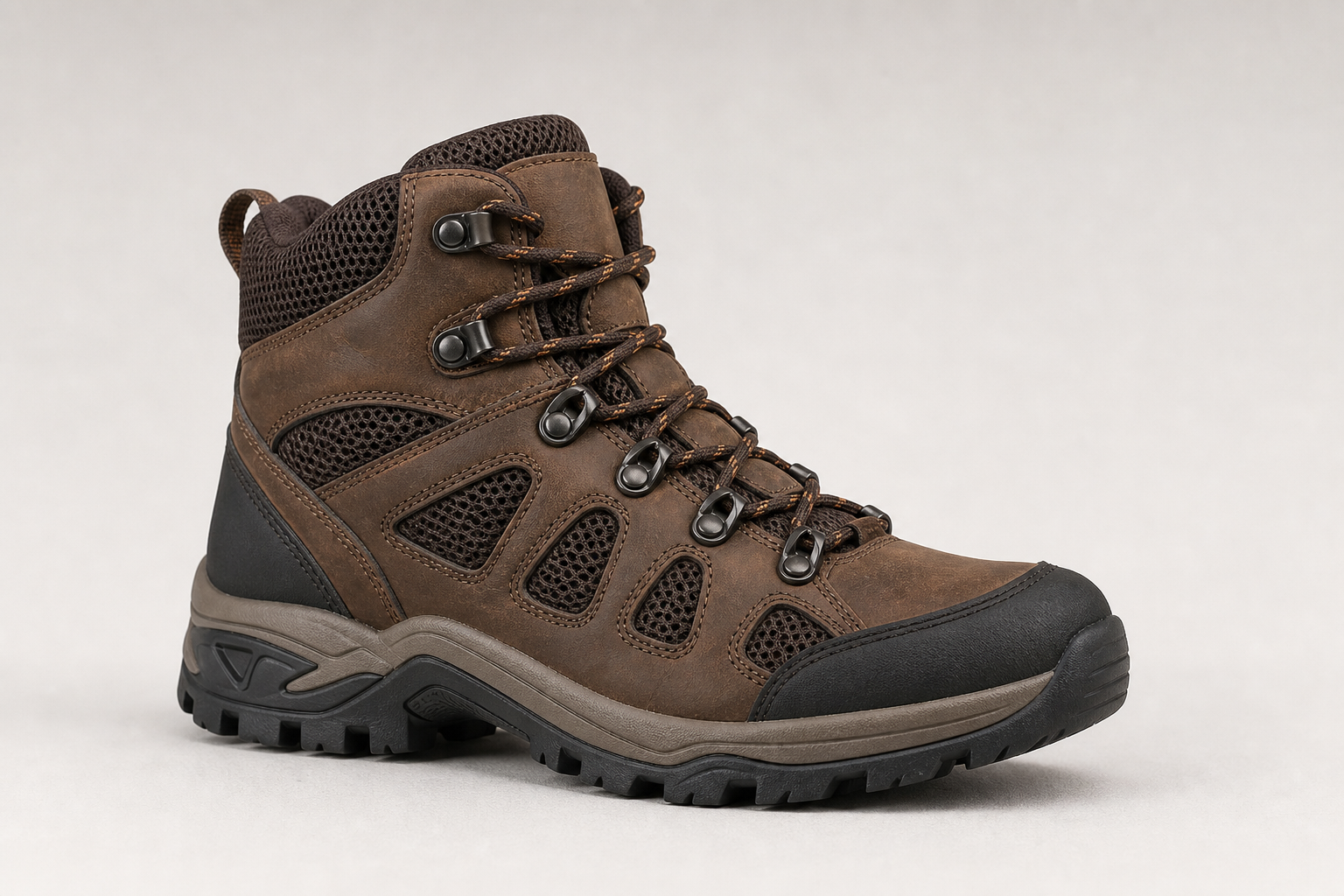
Genuine leather with mesh panels and air-cushioned midsole for daily comfort.
View Details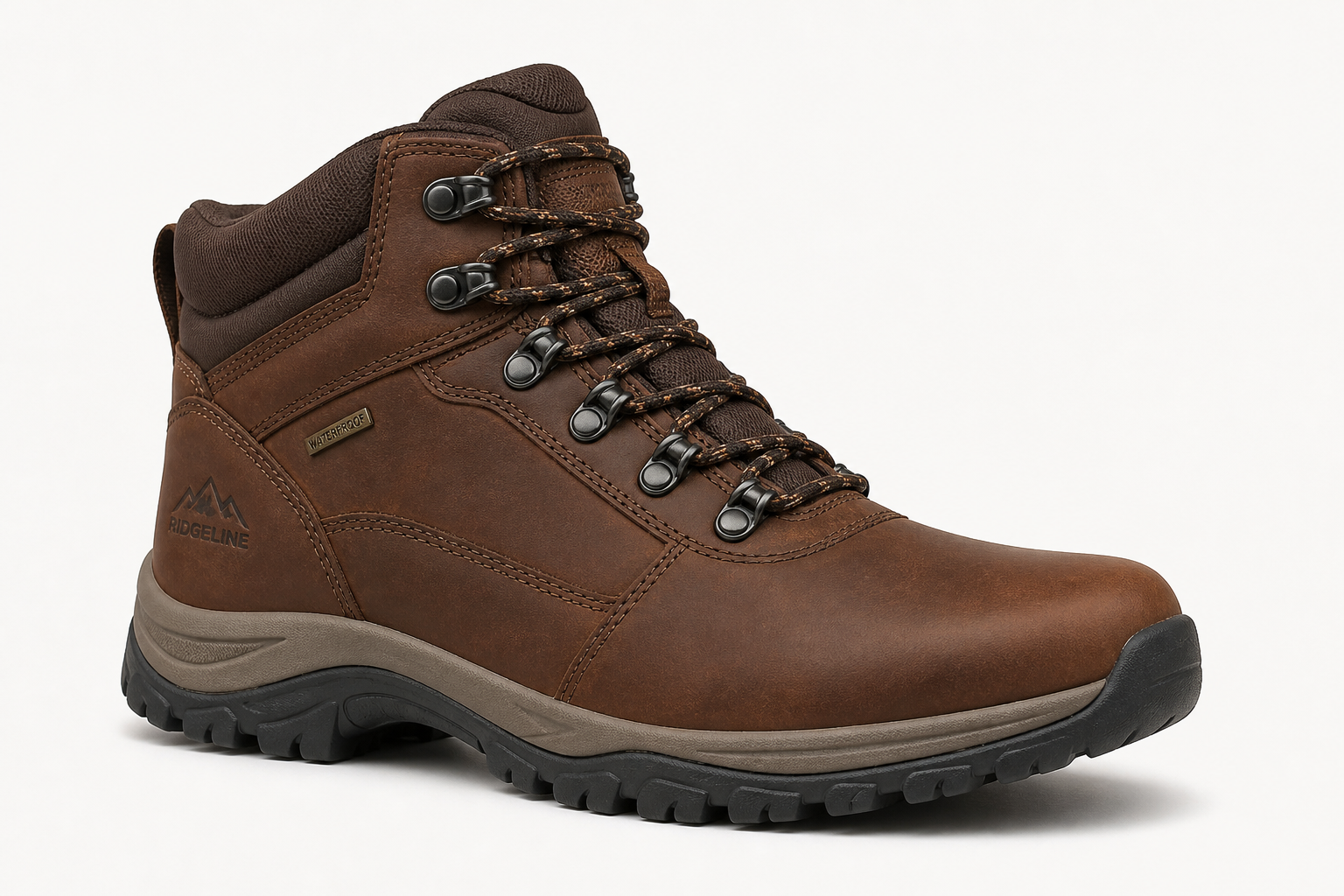
Why Mountain Gear
Mountain Gear boots are built for people who spend more time on local trails than alpine expeditions. Materials are chosen for durability per dollar — not showroom gloss.
That philosophy shows up in removable footbeds, repairable welt stitching on select work lines, and outsole compounds tuned for wet granite common in American state parks rather than ice walls in the Himalaya.
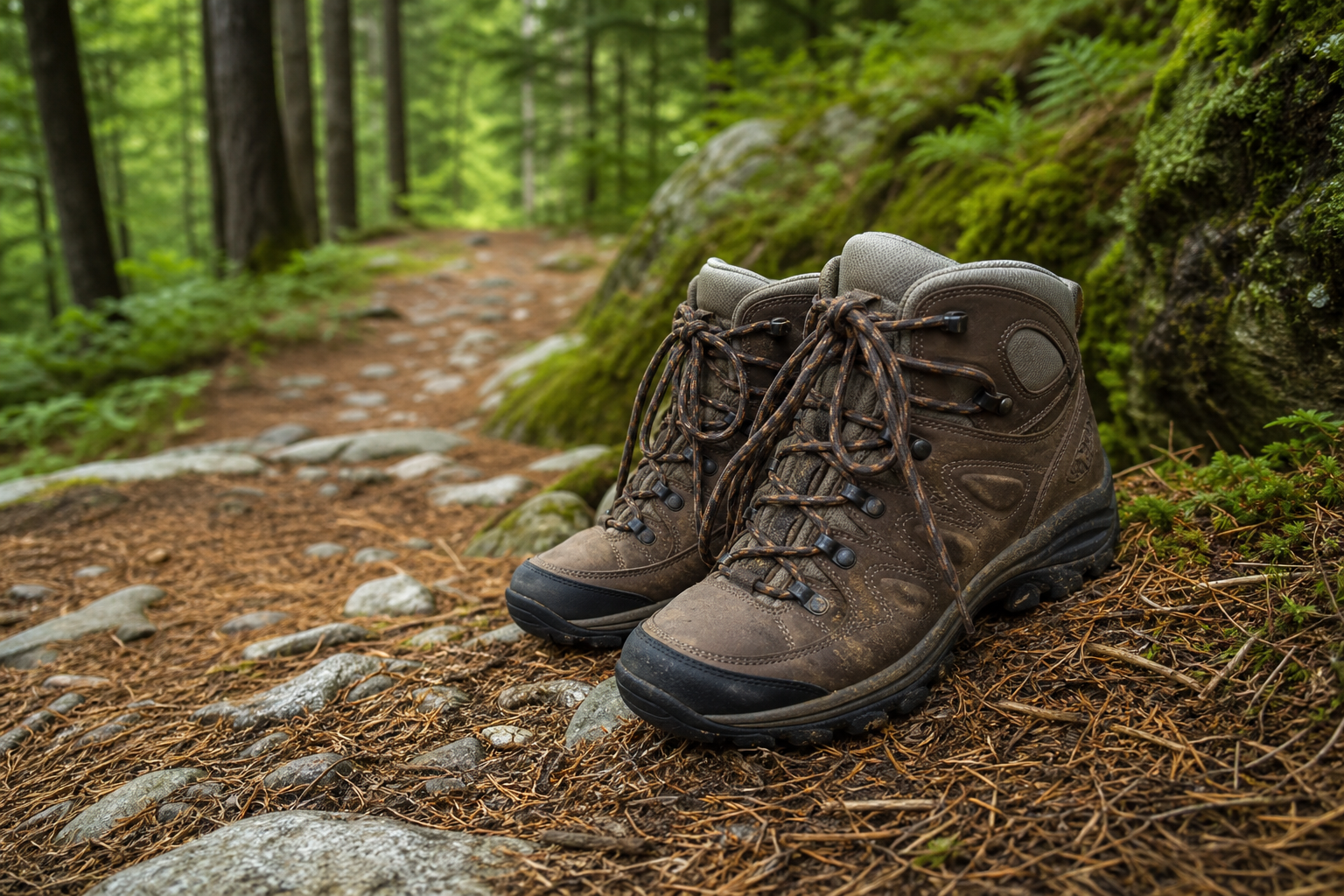
Lug patterns handle mud, gravel, and wet pavement on the same pair.
Most mids sit under $130 — leaving budget for socks and rain gear.
Hiking, work, heritage, and safety lines are labeled without marketing fog.
Buying guide
Before you choose a colorway, decide what the boot must do in the next twelve months. Trail-heavy buyers should start on our hiking boots page and compare Ascent Waterproof against Ridge breathability. Commuters who walk two miles of pavement daily often prefer Crosbey or Colt mids documented under men's and women's collections.
Jobsite weekends call for work boots or steel toe models if your employer mandates ASTM toe caps. Fashion-forward outdoor lovers gravitate toward 90s heritage styling while hunters and field workers browse cam boots for pattern utility.
Weight matters on paper and on your shoulders. A waterproof mid typically adds two to four ounces per boot versus a mesh hybrid — negligible for car-camp hikes, noticeable on a fifteen-mile ridge day. If you rarely see rain, save money and ounces with Ridge. If your local trails stay muddy six months a year, Ascent earns its price premium quickly.
Break-in is the hidden cost of any leather boot. Mountain Gear uses softer collar padding than vintage military repros, but you should still plan three short walks before committing to a full day. Heat molding insoles at home can relieve heel slip without waiting for leather to soften naturally.
Sock choice changes fit more than half sizes. A medium merino hiking sock is the baseline when trying pairs in store. Liners plus midweight socks fill extra volume if you sized up for winter. Cotton gym socks lie about fit — they compress and cause blisters on descents.
Finally, respect load limits. These boots excel with daypacks under twenty-five pounds. Overnight backpacking with forty-pound loads deserves stiffer platforms from specialty brands. Knowing that boundary keeps Mountain Gear owners happy instead of disappointed on ambitious trips.
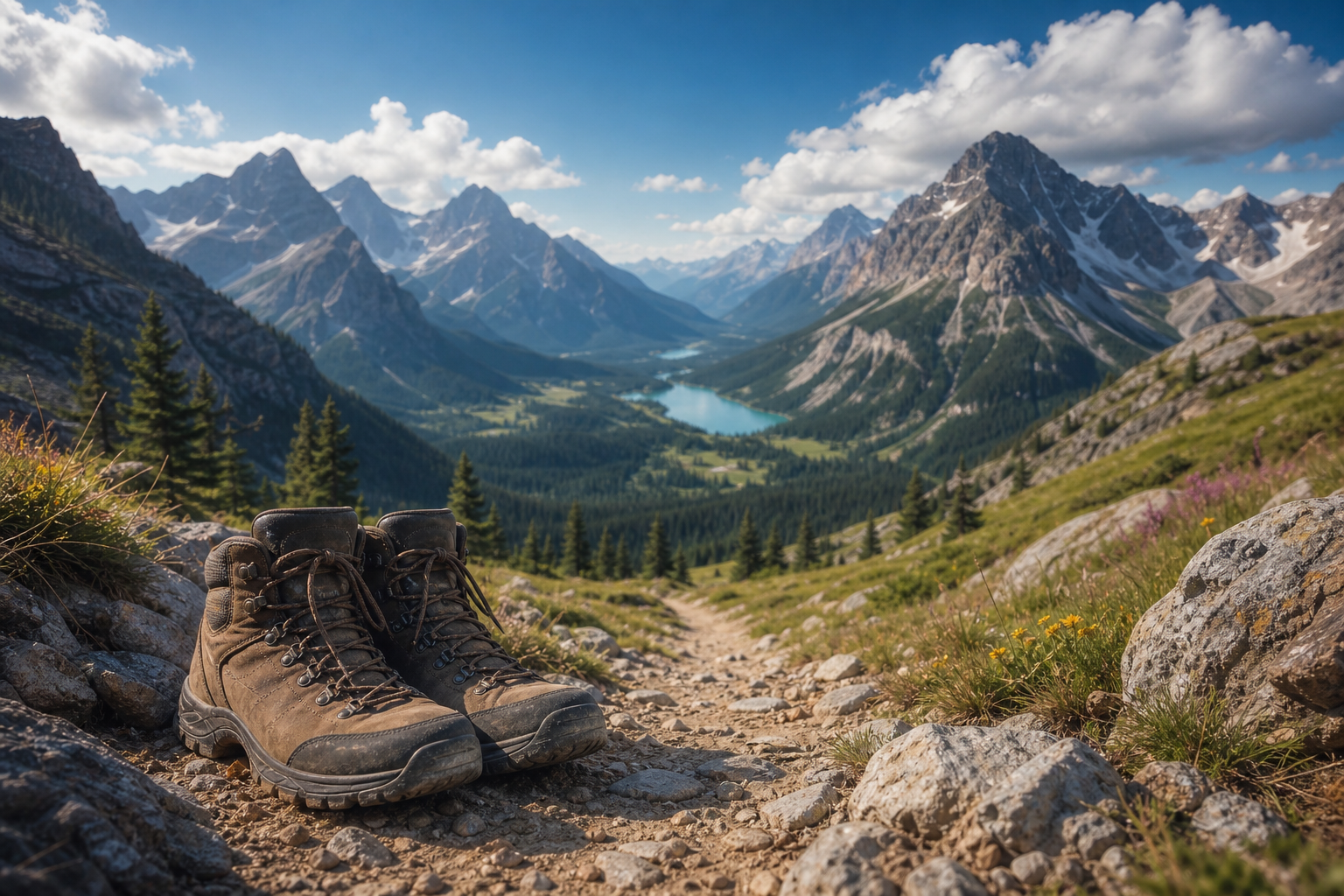
Compare hiking, work, and heritage lines — then choose the pair that matches your mileage.
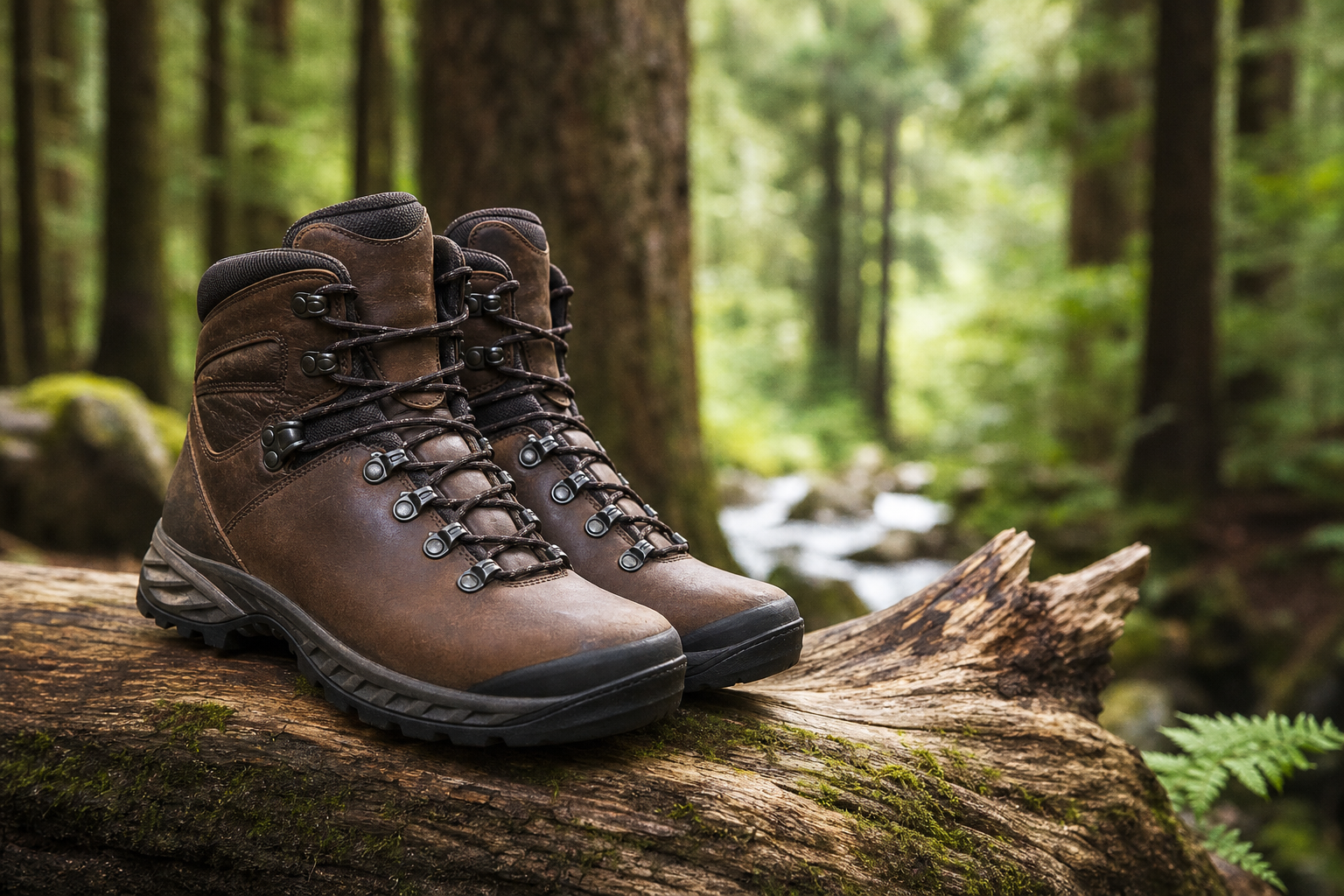
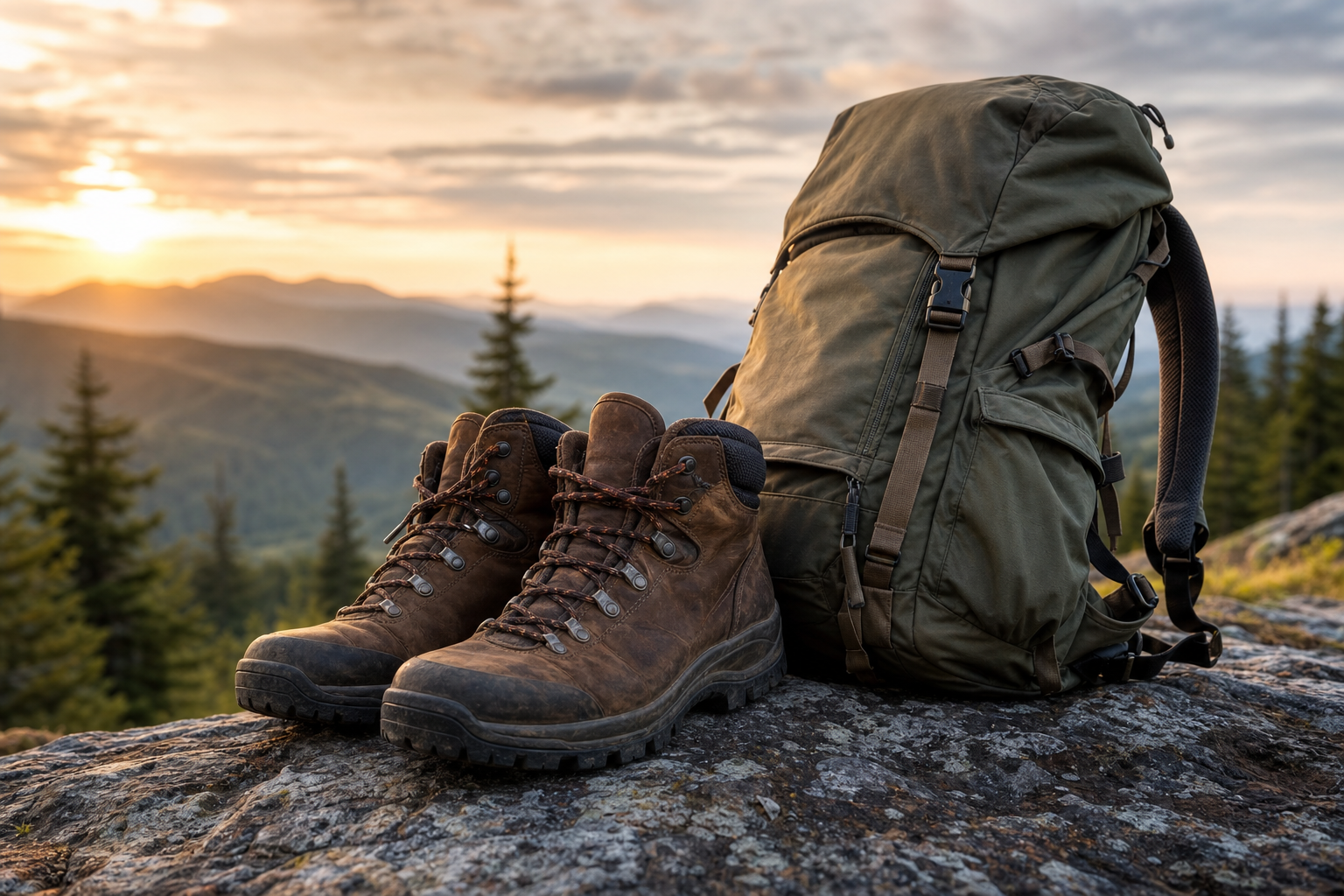
See hiking bootsOn the trail
Reviews
FAQ
Light hiking, casual trail walking, and everyday outdoor wear at accessible prices — not technical mountaineering.
The Ascent Waterproof Hiking Boot uses a membrane for wet and muddy conditions.
Ridge Mid and Low Cut models typically retail between $109.99 and $119.99.
Yes — see our steel toe category for ASTM-rated options.
Start with short neighborhood walks before long hikes. Use proper hiking socks, not cotton.
Explore categories and find boots that fit your miles and budget.
Browse categories