
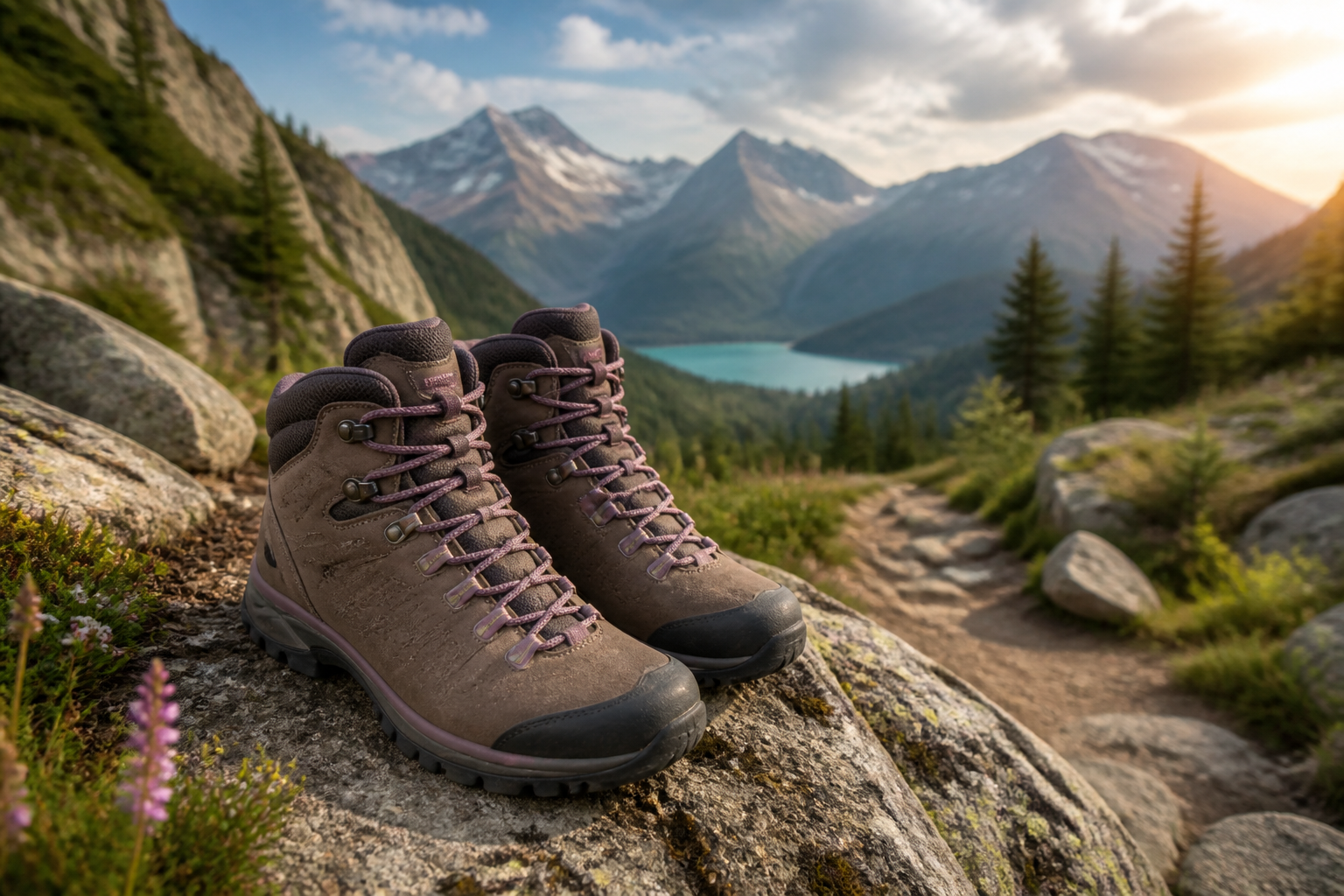
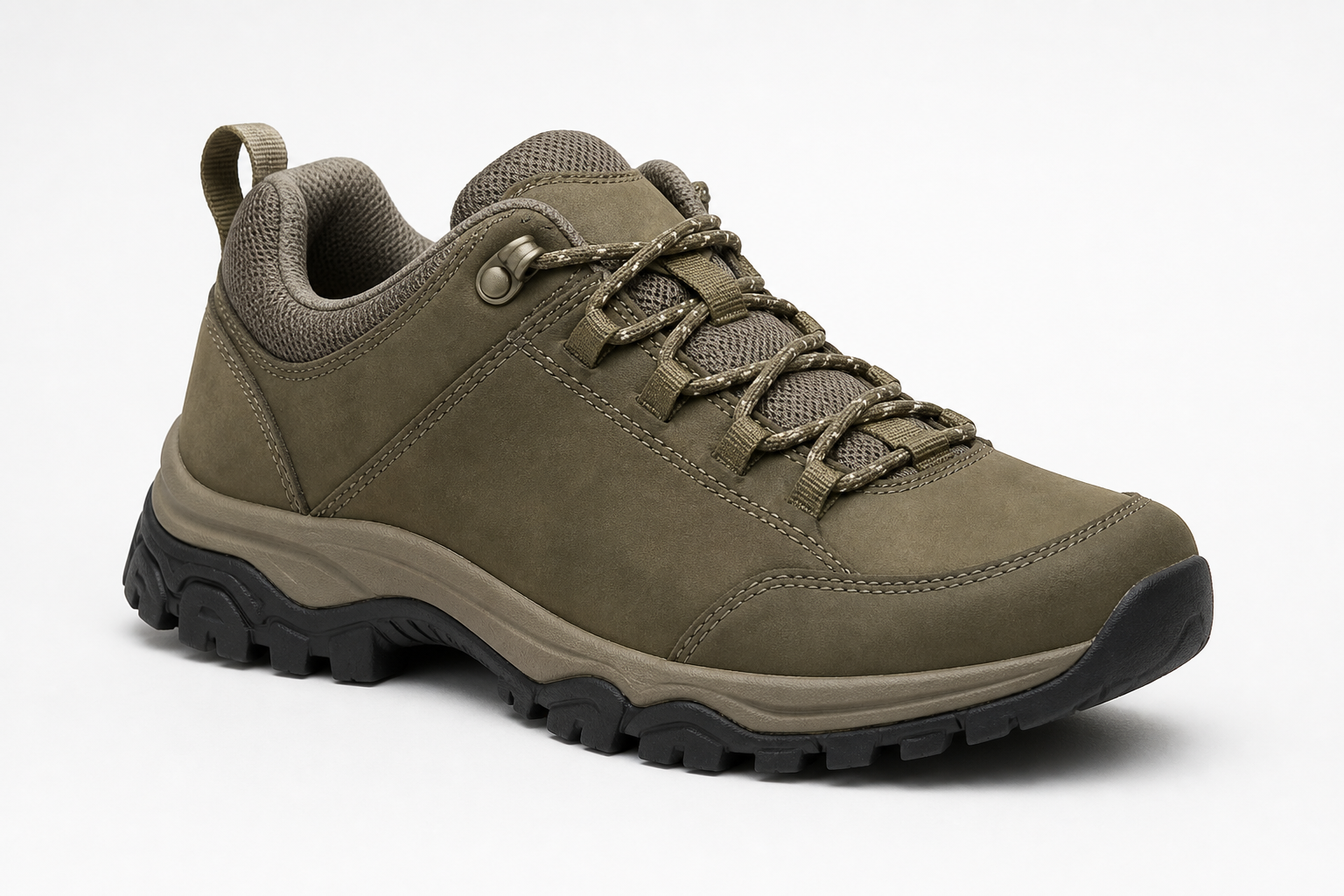
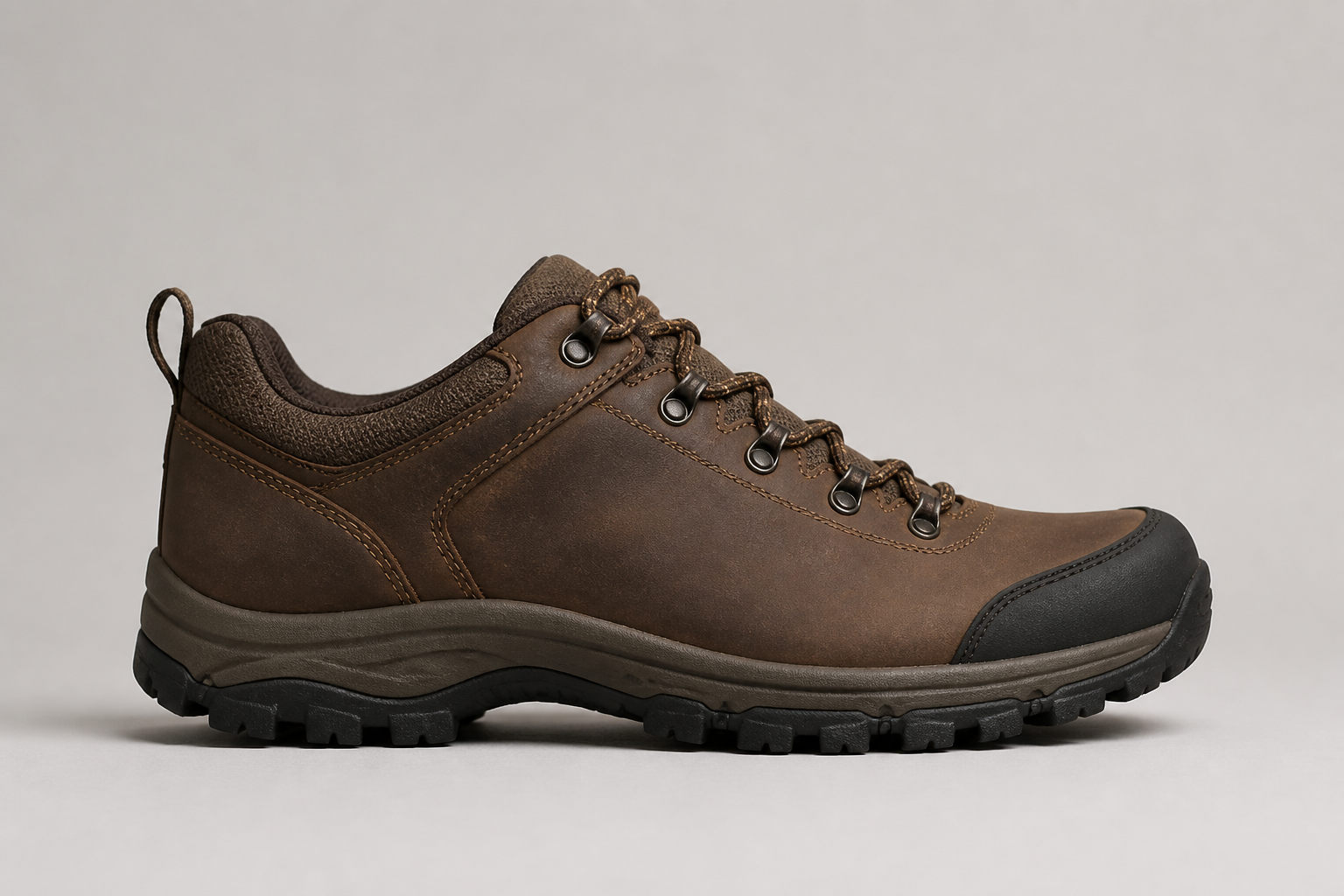
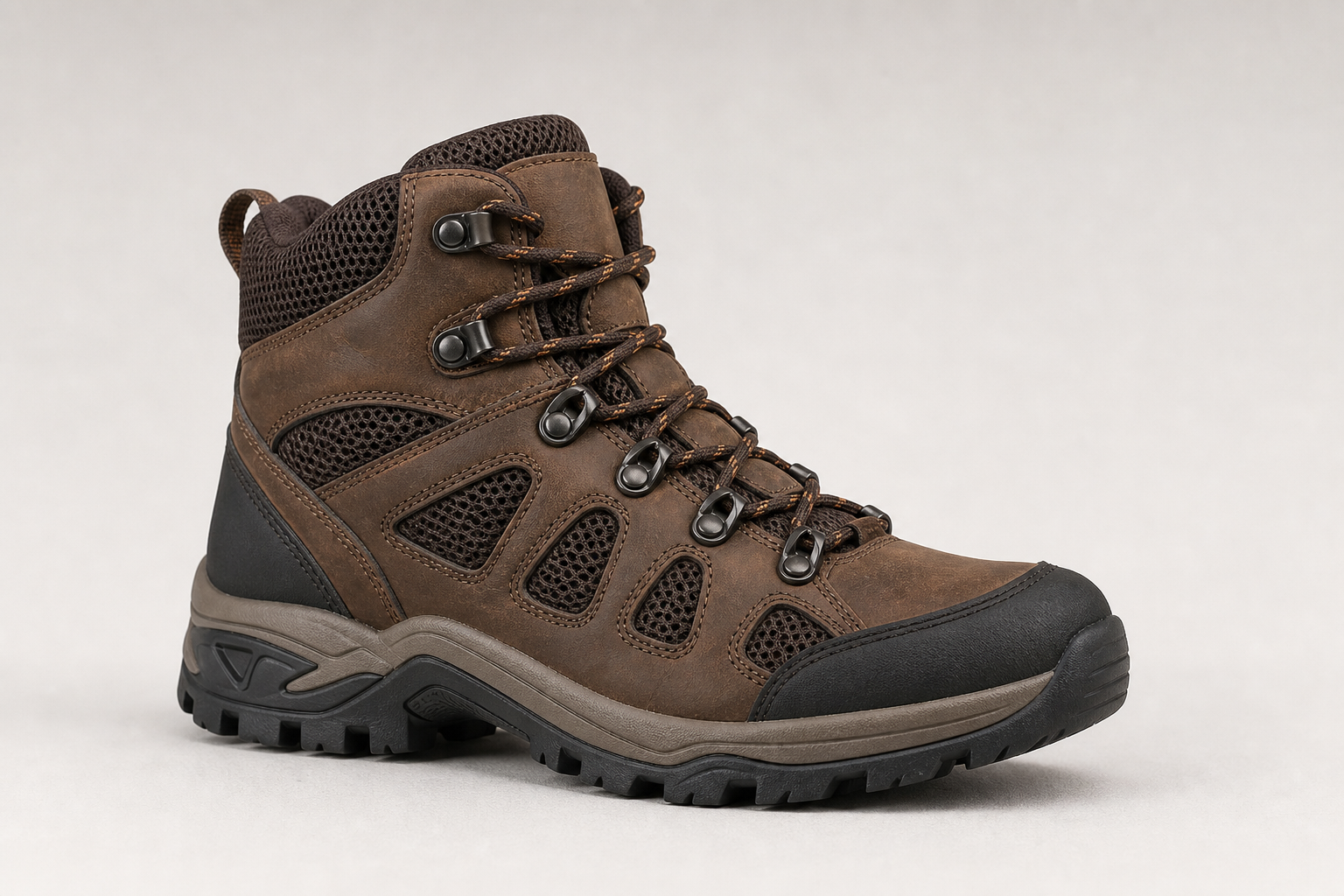
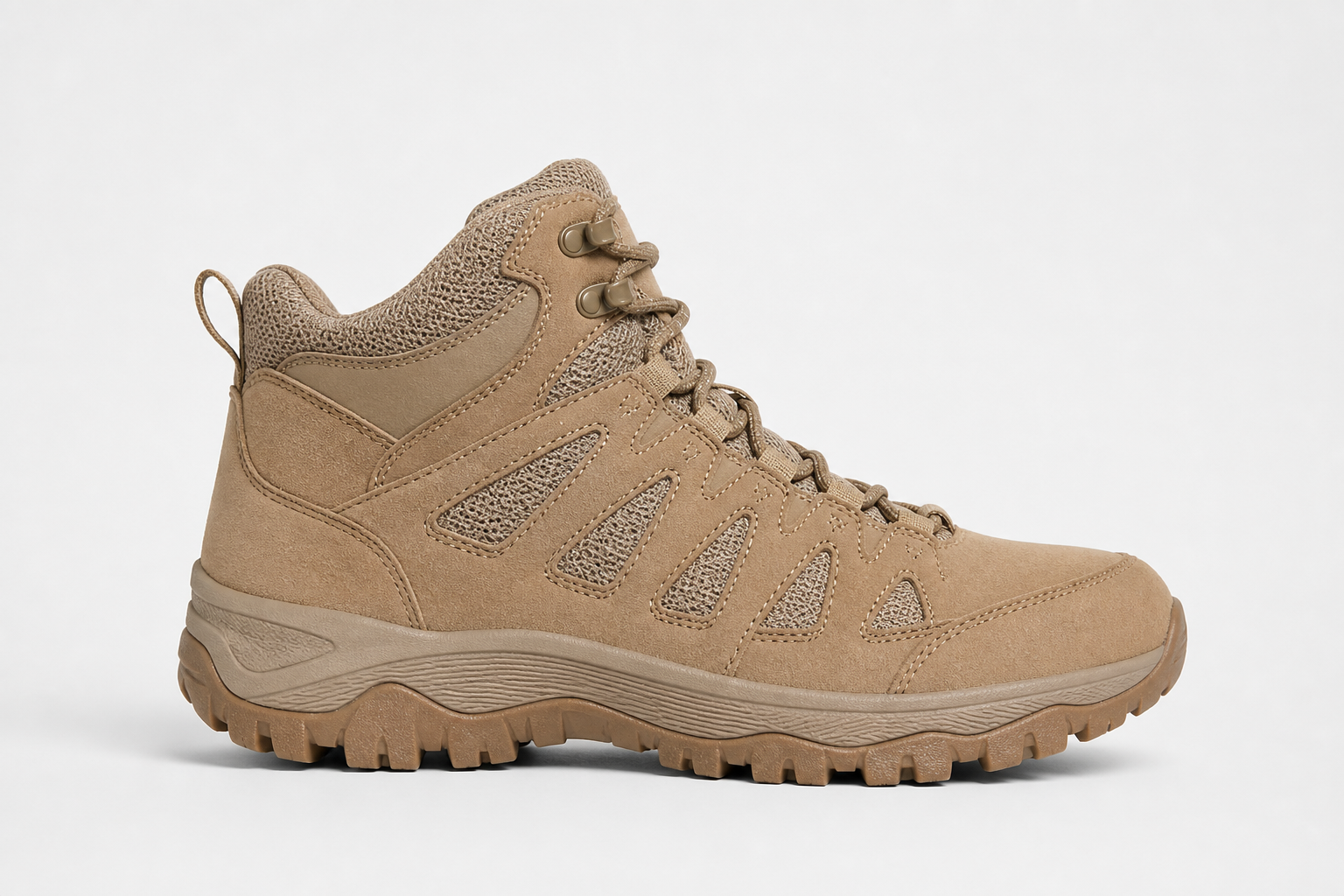
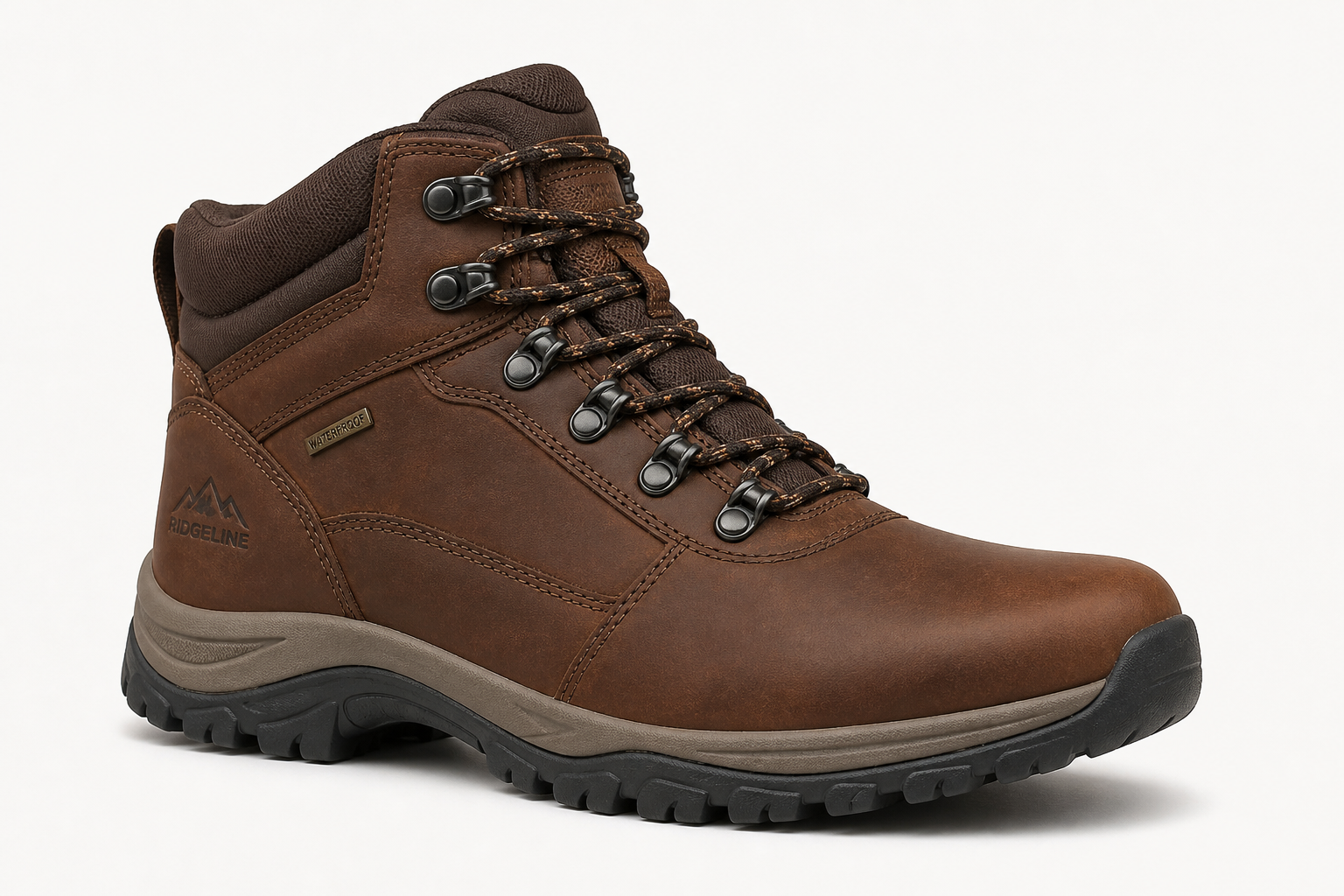
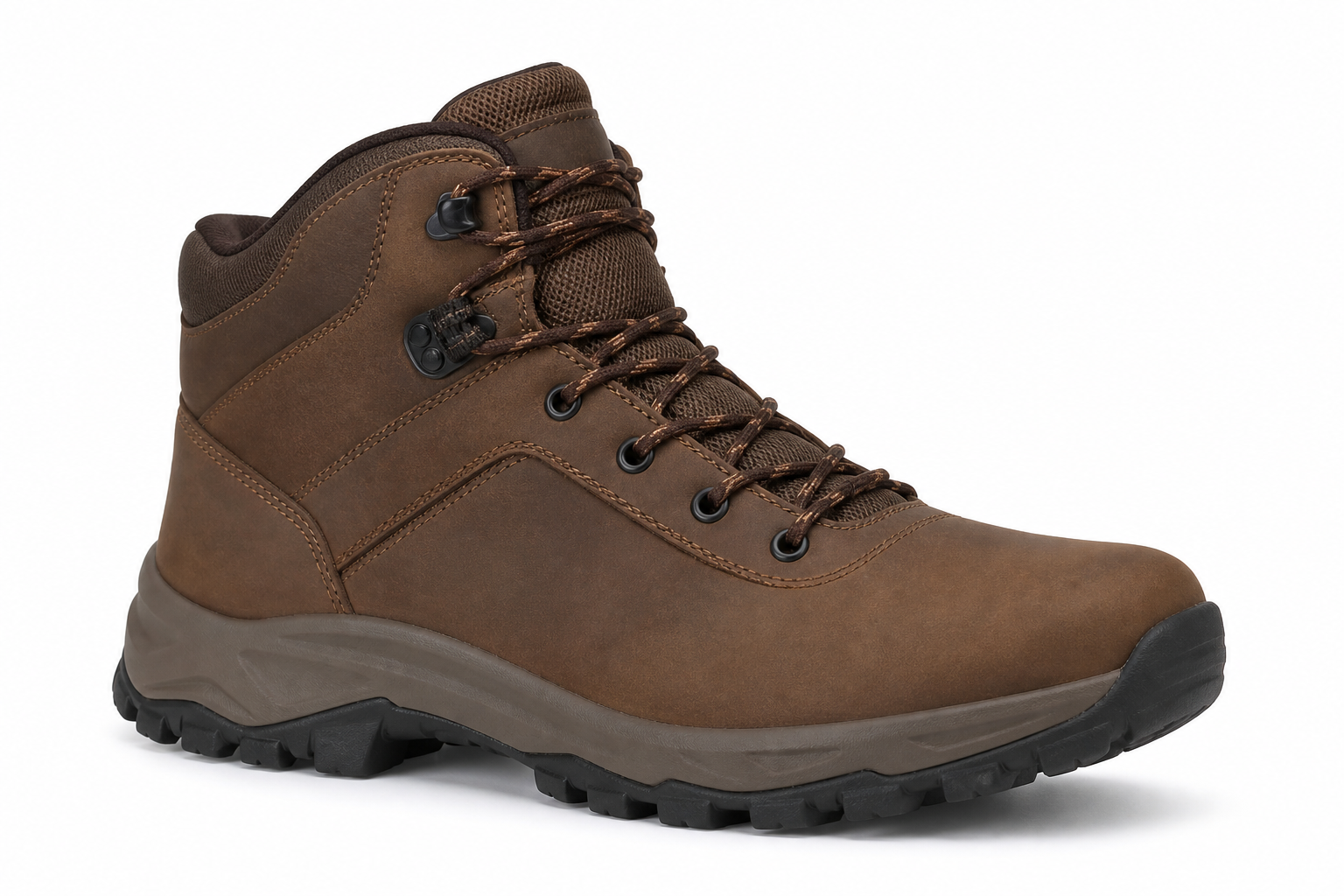
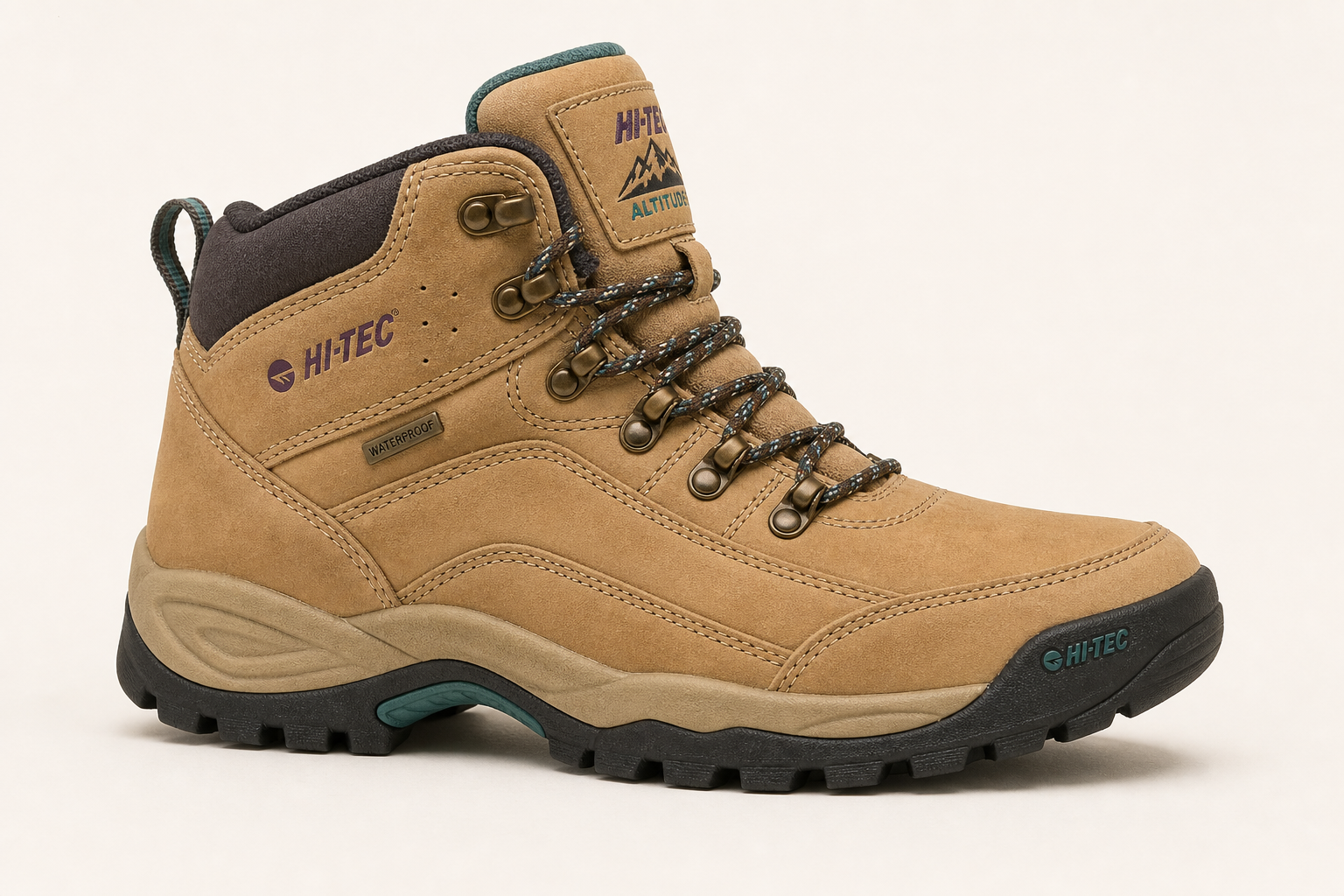
Mountain Gear boots for women deliver the same practical outdoor DNA as men's lines with lasts shaped for narrower heels and higher insteps on many SKUs. Colorways often include earth tones and muted olive rather than neon trail runners — a deliberate choice for buyers who want one pair for town and trail.
Women's sizing charts sometimes list US women's sizes directly; other tags show men's unisex equivalents. Always compare foot length in centimeters on the box label before assuming a downsize rule from sneakers.
Women's fit basics
Women's-specific Ridge Low cuts reduce calf pressure while keeping ankle stability on gravel paths. Do not assume men's sizing minus two — use measured foot length in centimeters when possible.
Crosbey Mid hybrids remain popular for campus commutes and dog walks where a running shoe lacks toe protection.
Lightweight choices
Ridge Low and breathable mesh panels keep weight under traditional leather hikers. Pair with wool-blend socks year-round to manage moisture without bulk.
Ascent Waterproof adds ounces but pays off on misty coastal trails — worth the trade if you hike weekly in the Pacific Northwest or Northeast.
Style crossover
Tan and olive uppers match leggings, straight jeans, and quilted skirts in fall. 90s heritage tan models add retro flair documented on our 90s style page.
Safety at work
Warehouse and light industrial roles may require steel toes — women's sizes appear in the steel toe range. Confirm employer ASTM requirements before purchasing fashion hikers.
Care routine
Rotate pairs every other day so liners dry fully. Remove insoles after wet hikes and stuff with newspaper overnight. Brush mesh gently — pressure washers destroy stitching.
Pregnancy and swelling
Looser lacing and low-cut models accommodate temporary foot volume changes. Avoid stiff mountaineering boots unless you already own broken-in pairs.
Budget planning
One waterproof mid and one low casual boot covers most women's year-round needs under $250 combined at retail. Watch end-of-season sales for previous colorways.
Summary
Women's Mountain Gear focuses on comfortable daily outdoor wear — not expedition peaks. Start with Ridge Low if unsure, upgrade to Ascent when rain becomes your main trail companion.
Sizing at home
Measure feet standing on paper after a walk when they are slightly swollen. Match centimeter length to brand charts rather than guessing from sneaker sizes. Width matters as much as length — pinching at the fifth toe means try wide versions if offered.
Try boots with the socks you actually hike in. Thin dress socks lie about fit and cause returns that waste shipping emissions and your weekend plans.
Warranty habits
Keep receipts and photos of defects within the first thirty days. Outsole delamination and eyelets pulling free are manufacturing issues; scuffs from normal trail abrasion are not. Document problems early with dated photos sent to customer service.
Calf and ankle fit
Women with athletic calves should try mid-cut boots in the afternoon when legs are slightly swollen. Gap at the heel when knees are bent indicates needed heel lock lacing or a half-size down with wider toe box elsewhere.
Low-cut Ridge models avoid pressure on the Achilles tendon during long museum days that turn into evening trail walks — a common travel pattern in mountain towns.
Seasonal swaps
Swap to waterproof Ascent when leaf fall covers trails in wet mulch. Return to mesh hybrids in late spring when stream levels drop and breathability prevents overheated blisters.
Storage basics
Never store boots near basement dehumidifier exhaust that dries leather overnight into cracks. Room-temperature airflow with shoe trees preserves collar shape and prevents mildew in fleece linings after damp hikes.
Label each pair with purchase year on inner tongue — midsole foam aging is invisible until knee soreness appears after otherwise easy miles.
Resole decisions
Budget boots rarely justify full resoles when new pairs cost similar money. Exception: steel toe uppers with intact caps but worn soles on a break-in-perfect fit — local cobblers can sometimes replace outsoles if the welt allows.